
Bleeding gumsare a warning -treat them first.
Gum disease is the leading cause of tooth loss in adults over 35 in Pakistan. Most people notice the warning signs, bleeding gums, persistent bad breath, sensitivity, but wait years. By then it has often progressed from reversible gingivitis to periodontitis, where bone is already lost. Caught at any stage it can be stopped; caught early, it is reversed completely.
Medically reviewed bySmile By Alkhaleej ClinicsMDS, MSc, BDS·
Stages treated
3
Assessment
PKR 2,000
Open
10:00 AM–9:00 PM
Clinics
3
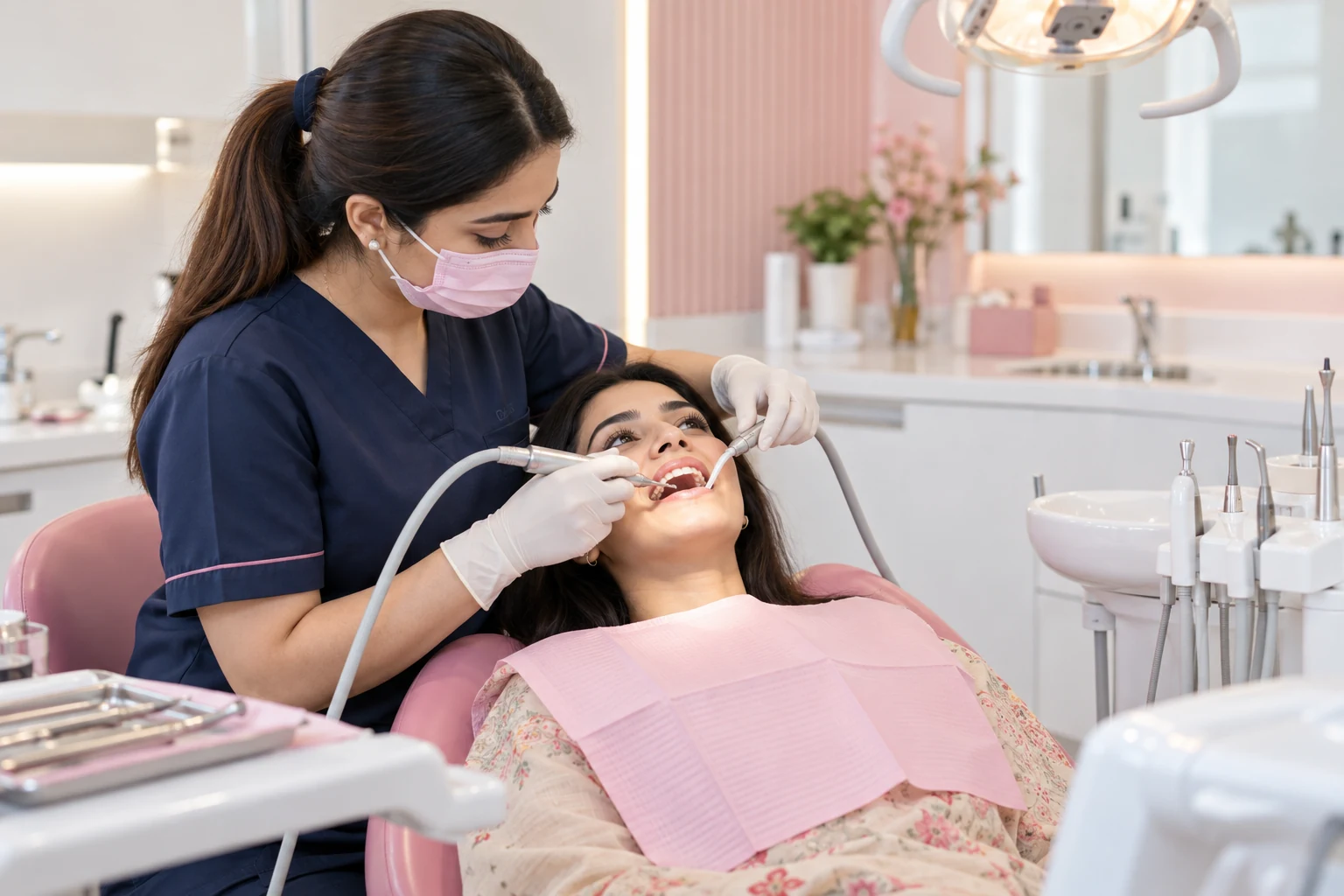
PLATE 01, periodontal tissue examination
or browse filesWhat periodontal disease actually does to your mouth
The gum tissue and the bone beneath it form a support system for every tooth in your mouth. Periodontal disease is a bacterial infection that destroys this support system, silently, and usually without pain, until it is advanced.
Dental plaque, a sticky film of bacteria, builds up on teeth Monday–Saturday. When plaque is not removed by brushing and flossing, it hardens into dental calculus (tartar), which no toothbrush can remove. The bacteria in calculus release toxins that trigger the immune system to attack. Over time, it is this immune response that destroys the periodontal ligament and alveolar bone holding the teeth in place.
By the time a tooth is noticeably loose, significant bone has already been lost. This is why early treatment is not a preference, it is a mechanical necessity.
How common is this? Periodontal disease affects an estimated 70–80% of Pakistani adults over 35 in some form. The majority have gingivitis. Around 20–30% have periodontitis. In patients with uncontrolled diabetes, the prevalence of severe periodontitis is 3 times higher.
Bone loss is permanent
Once the alveolar bone around a tooth is lost to periodontitis, it does not regenerate on its own. The goal of treatment is to stop further bone loss, not to restore what has gone. This is why early intervention changes the outcome so dramatically.
Gum disease and heart disease are connected
The oral bacteria responsible for periodontitis have been found in arterial plaques. Multiple large studies show that people with untreated periodontitis have a 2 to 3 times higher risk of cardiovascular events.
Diabetes and gum disease worsen each other
Uncontrolled blood glucose weakens the immune response to periodontal bacteria. Meanwhile, untreated periodontitis raises systemic inflammation, which impairs insulin sensitivity. Treating gum disease lowers HbA1c in diabetic patients.
Implants fail faster with active gum disease
Periodontal disease does not stop at natural teeth. The same bacteria that destroy the bone around a natural tooth will attack a dental implant, a condition called peri-implantitis. Active gum disease must be treated before implants.
Gingivitis, periodontitis, advanced periodontitis
Each stage has a different prognosis and a different treatment approach. The earlier you come in, the simpler and less expensive the treatment.
Gingivitis
Inflammation of the gums. The bone and ligament are not yet damaged. Fully reversible with professional treatment.
- Gums bleed when brushing or eating
- Gums are red or swollen at the margin
- Persistent bad breath despite brushing
- Gums feel tender to touch
Periodontitis
Bacteria have moved below the gumline. Periodontal pockets have formed. Bone loss has begun. Not reversible, but fully controllable.
- Gums pulling away from teeth (recession)
- Pockets visible on probing (4–6mm depth)
- Sensitivity to hot, cold, or pressure
- Gaps forming between teeth
- Bone loss visible on X-ray
Advanced periodontitis
Severe bone loss. Teeth are loose or shifting. Some teeth may not be saveable. Requires combined non-surgical and surgical treatment.
- Teeth visibly loose, move when touched
- Significant gum recession and root exposure
- Deep pockets, 7mm or more
- Bite changes, teeth no longer meet correctly
- Pus from the gum margin
If you notice any of these symptoms: do not wait. Periodontal disease is comfort-focused in most of its progression, by the time it hurts, significant damage has often already happened. An assessment takes 30 minutes and tells you exactly where you stand.
What gum disease treatment looks like
The right treatment depends entirely on the stage of disease. Smile By Alkhaleej does not recommend the same procedure for every patient, a thorough periodontal assessment comes first.
Treatment 01
Periodontal assessment and charting
Before any treatment begins, Smile By Alkhaleej probes every tooth around its gumline, six measurements per tooth, to record pocket depth, bleeding on probing, recession, and bone levels on X-ray. This gives a precise map of the disease.
Treatment 02
Scaling and polishing (routine)
For patients with gingivitis or mild calculus buildup, professional scaling removes all calculus deposits from tooth surfaces above and just below the gumline. The teeth are then polished. The first line of treatment for gingivitis.
Treatment 03
Scaling and root planing (deep cleaning)
For patients with periodontitis, bacteria live in pockets below the gumline where a routine scale cannot reach. Deep cleaning removes calculus and deposits from the root surface deep inside the pocket, done under local anaesthesia.
Treatment 04
Antibiotic therapy
In some cases, local or systemic antibiotic therapy is used alongside scaling and root planing to target specific bacteria that do not respond to mechanical cleaning alone.
Treatment 05
Periodontal flap surgery
When non-surgical treatment does not reduce pocket depths sufficiently, flap surgery provides direct access to the root and bone. The gum is gently reflected back for thorough removal of deposits.
Treatment 06
Periodontal maintenance programme
After active treatment is complete, gum disease requires ongoing management. Periodontal maintenance appointments every 3 to 6 months keep bacterial levels below the threshold that triggers new bone loss.
Conditions and habits that accelerate gum disease
Some patients develop severe periodontitis with minimal calculus buildup. Others have heavy deposits but minimal bone loss. Knowing your risk factors changes how often you need maintenance.
Diabetes
Patients with HbA1c above 7% have 3 times the risk of bone-losing periodontitis.
Smoking
Smokers have 3 to 6 times the risk. Nicotine constricts blood vessels, masking bleeding.
Stress & Sleep
Chronic stress raises cortisol, which suppresses immune function and increases inflammation.
Cardiovascular
Treating periodontitis reduces systemic inflammatory markers (CRP, IL-6) linked to heart events.
Pregnancy
Hormonal changes increase gum sensitivity. Pregnancy gingivitis affects 60–75% of pregnant women.
Medications
Certain blood pressure or epilepsy medications can cause gum overgrowth.
Genetics
Some patients are genetically predisposed to aggressive periodontitis regardless of oral hygiene.
Immunocompromised
Patients on immunosuppressants or with HIV have reduced capacity to fight bacteria.
Your first gum assessment, step by step
It is not just a check, it produces a complete picture of your gum health that guides every treatment decision.
Medical and dental history (10 min)
Smile By Alkhaleej reviews your current medications, systemic conditions, smoking history, and family dental history.
Full mouth periodontal charting (15 min)
Six measurements per tooth. Pocket depth, recession, bleeding on probing, and mobility are all recorded.
Radiographic assessment (10 min)
Periapical X-rays show the level of bone supporting each tooth to confirm how much bone loss has occurred.
Diagnosis and treatment plan (10 min)
Smile By Alkhaleej explains what was found, stages the disease, and presents a written treatment plan with costs.
Home care instruction
Correct brushing technique, interdental cleaning, and specific products relevant to your case are discussed.
What changes after deep cleaning
Patients often ask what results to expect after scaling and root planing. Here is what the evidence shows:
- Pocket depth reduces by 1.5 to 2mm on average
- Bleeding on probing falls below 20% in most patients
- Bad breath from periodontal bacteria resolves within 2-3 weeks
- Gums stop bleeding during brushing
- Mobile teeth sometimes stabilise as bone loss stops
- In diabetic patients, HbA1c improvement is often observed
Gum treatment costs in Karachi
All costs are confirmed in writing before any treatment begins. There are no surprise charges.
| Treatment | Starting Price |
|---|---|
| Periodontal assessment | PKR 2,000 |
| Scaling and polishing | From a figure we confirm after examination |
| Scaling and root planing | From a figure we confirm after examination / quad |
| Full mouth deep cleaning | From a figure we confirm after examination |
| Periodontal flap surgery | On consultation |
| Periodontal maintenance | From a figure we confirm after examination |
Scaling and root planing is typically done in 2 to 4 appointments (one quadrant per visit) to keep each session manageable and comfortable. Most dental insurance policies in Pakistan cover periodontal treatment, ask your provider about coverage before booking.
FAQs
Questions we hear most
Where it is done

First Floor, Al-Khaleej Tower, Shaheed-e-Millat Road, near MediCare Hospital, Bahadurabad BMCHS Sharafabad, Karachi 75400
0336 1176453 · Open 10:00 AM–9:00 PM, Monday–Saturday · Google profile
Bleeding gums do not get better on their own
Book a periodontal assessment. Smile By Alkhaleej will examine your gums, chart your pocket depths, review your X-rays, and tell you exactly what stage of gum disease you have, and exactly what it will take to stop it.
Bahadurabad clinics · Open 10:00 AM–9:00 PM, Monday–Saturday · No referral needed